
Concrete Driveways
Professional driveway installation that enhances your home's curb appeal and provides lasting durability.
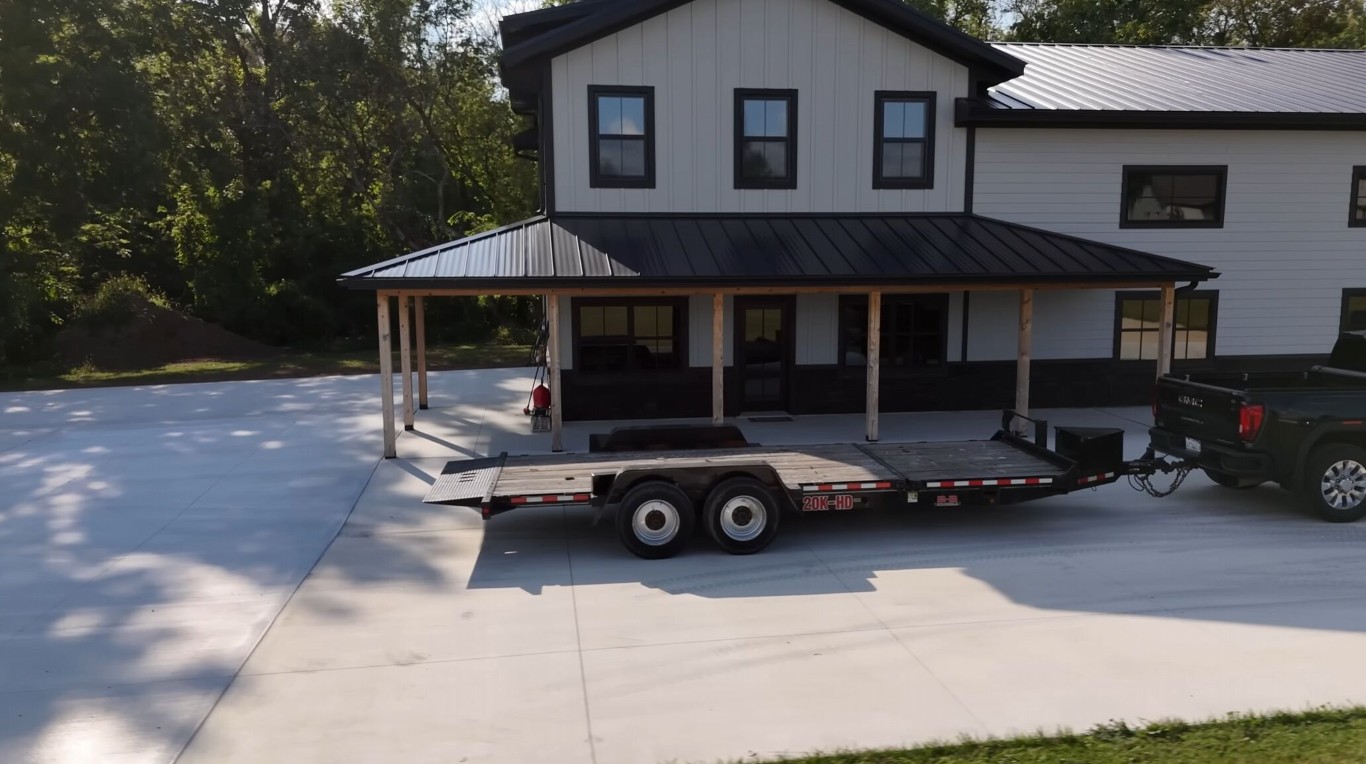
Why Choose Concrete for Your Driveway
Your driveway is one of the first things people notice about your property. A well-built driveway from a trusted concrete driveway contractor does more than just look good. It adds real value to your home and provides a durable surface that can last for decades when installed correctly. Unlike asphalt that needs regular sealing or pavers that can shift over time, a properly poured concrete driveway requires minimal maintenance and holds up well to daily vehicle traffic, weather changes, and the test of time.
Here in Ivins and throughout Southern Utah, concrete driveways are a smart investment. The material handles our hot summers and occasional winter freezes better than many alternatives. Concrete reflects heat rather than absorbing it like asphalt, which helps keep your driveway cooler in summer and reduces the urban heat island effect around your home. It also resists cracking from temperature changes when proper expansion joints are installed. For homeowners who want a reliable surface that won't need replacement every few years, concrete is the clear choice.
Concrete driveways also offer versatility that other materials cannot match. You can keep it simple with a traditional gray finish, or dress it up with decorative options like stamping, staining, or exposed aggregate. The surface can be customized to complement your home's architectural style and your personal preferences. Whether you prefer a clean modern look or something with more texture and character, concrete can deliver the aesthetic you want while providing the structural performance you need.
Our Driveway Installation Process
Site Preparation and Grading
Every quality driveway starts with proper preparation. We begin by carefully excavating the area to the correct depth, typically removing 8 to 12 inches of soil depending on your specific site conditions and expected vehicle loads. The soil beneath your driveway needs to be stable and properly compacted to prevent settling that could lead to cracks later. We assess the existing soil conditions and make recommendations if additional measures are needed, such as bringing in better fill material or addressing drainage issues.
Grading is critical for ensuring water drains away from your home and garage. We create the proper slope so rainwater and snowmelt flow toward the street or designated drainage areas rather than pooling on your driveway or running toward your foundation. Poor drainage can undermine even the best concrete work, which is why we take this step seriously. Our team uses laser levels and professional grading equipment to ensure the slope meets building codes while still providing a smooth driving surface.
Base Installation and Reinforcement
After grading, we install a compacted gravel base that provides a stable foundation for the concrete. This base layer helps with drainage, prevents shifting, and distributes the weight of vehicles evenly across the ground below. We typically use 4 to 6 inches of crushed stone or gravel that we compact in layers using professional equipment. This step cannot be rushed or skipped if you want a driveway that performs well over time.
For added strength, we install steel reinforcement or fiber mesh within the concrete itself. Wire mesh or rebar helps prevent cracks from spreading if small stress cracks do develop over the years. We place the reinforcement at the proper height within the concrete slab so it provides maximum benefit. The edges of the driveway receive extra attention with thicker concrete and additional reinforcement where vehicles will be driving on and off, since these areas experience the most stress.
Pouring and Finishing
When everything is prepared, we pour the concrete using the proper mix design for your climate and intended use. We work efficiently to place and level the concrete before it begins to set. Our team uses professional screeds, floats, and trowels to create a smooth, even surface with the right texture for traction without being rough on tires or shoes. Control joints are cut at strategic intervals to direct where any minor cracks might form, keeping them straight and less noticeable rather than allowing random cracking across the surface. Any skilled concrete driveway contractor follows this same sequence because skipping steps is what leads to early failures.
Design Options and Customization
Today's concrete driveways go far beyond basic gray slabs. You have numerous options to customize the appearance of your driveway to match your home's style and your personal taste. Understanding these options helps you make informed decisions about what works best for your property and budget.
Finish and Texture Choices
- Broom Finish: The most common and economical option, a broom finish provides good traction and a clean, classic look. We drag a broom across the surface while the concrete is still wet to create subtle lines.
- Smooth Trowel: For a sleek, modern appearance, a smooth trowel finish creates a nearly polished surface. This works well for contemporary homes but provides less traction when wet.
- Exposed Aggregate: This decorative option reveals the natural stones within the concrete mix, creating an attractive textured surface with excellent traction and visual interest.
- Stamped Patterns: Stamped concrete can replicate the look of brick, stone, slate, or other premium materials at a fraction of the cost. This adds significant curb appeal.
- Colored Concrete: Integral color or acid stains can transform your driveway from standard gray to earth tones, blues, reds, or other hues that complement your home's exterior.
We can also incorporate decorative borders, geometric patterns, or contrasting bands to break up large expanses of concrete and add visual appeal. These custom touches turn a functional driveway into an attractive design element that enhances your property's overall appearance. During your consultation, we will show you examples and discuss which options work best for your specific situation and budget.
Common Questions About Concrete Driveways
We have installed countless driveways throughout Ivins and the surrounding area. Here are answers to the most common questions homeowners ask about concrete installation projects.