Stamped & Decorative Concrete
Get the elegant look of natural stone, brick, or tile at a fraction of the cost with custom stamped and decorative concrete.
Why Choose Decorative Concrete
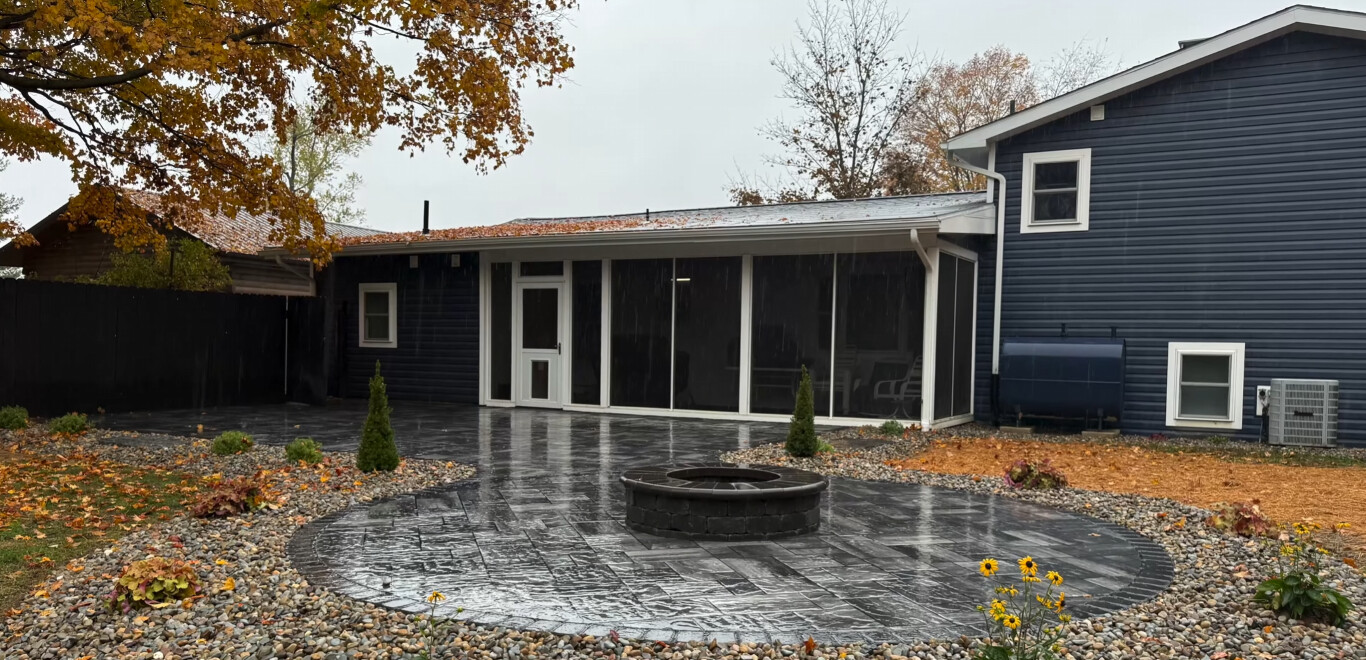
Decorative concrete transforms ordinary surfaces into attractive features that enhance your property's appearance and value. While standard gray concrete serves its purpose, stamped and colored concrete elevates the look of your driveway, patio, walkway, or pool deck to match the quality and style of your home. You get visual appeal that rivals expensive materials like natural stone pavers or slate, but with the durability and lower maintenance that concrete provides.
The beauty of decorative concrete lies in its versatility. You can replicate the appearance of flagstone, cobblestone, brick, wood planks, or custom patterns that suit your design vision. Color options range from subtle earth tones that blend naturally with landscaping to bold statements that create focal points. The same material that provides structural strength and weather resistance can also deliver the aesthetic impact you want. This combination of form and function makes decorative concrete an excellent choice for homeowners who refuse to compromise between durability and design.
Cost comparison makes decorative concrete even more appealing. Installing actual flagstone or slate pavers costs significantly more in materials and labor than stamped concrete that mimics the same look. Natural stone requires cutting, fitting, and continuous sand or mortar between joints. Individual pavers can settle unevenly over time, creating trip hazards and requiring periodic releveling. Stamped concrete provides the visual texture and pattern you want in a single monolithic surface that remains level and stable. The initial investment pays off through lower installation costs, reduced maintenance, and lasting performance.
Stamped Concrete Techniques and Patterns
How Stamping Works
The process of concrete stamping uses specialized tools pressed into freshly poured concrete to create textures and patterns that replicate other materials. The process requires precise timing and skill. After we pour and level the concrete, we apply a release agent that prevents the stamps from sticking while adding subtle color variation. Then we carefully position stamping mats or stamps across the surface and press them into the concrete using body weight and hand tampers. Each stamp must align with adjacent stamps to create a seamless pattern that looks natural.
The concrete must be at just the right consistency for stamping to work properly. Too soft and the stamps sink too deeply or create messy edges. Too hard and the stamps do not create adequate impression depth. Our crews monitor the concrete as it begins to set and start stamping at the optimal moment. This window varies with temperature, humidity, and concrete mix, so experience matters in getting the timing right. After stamping, we carefully lift the stamps and inspect the results, making any necessary touch-ups before the concrete hardens further.
Popular Pattern Options
We offer numerous stamp patterns to match different architectural styles and personal preferences. Ashlar slate creates the look of cut stone with rectangular pieces in a random layout. Cobblestone patterns mimic old European streets with rounded stones. Flagstone replicates irregular natural stone pieces popular in Southwestern designs. Wood plank stamps can make concrete look like hardwood decking or rustic planks. Brick patterns come in traditional running bond, herringbone, or basketweave layouts.
We also create custom borders using different stamps or colors to frame the main area. A border defines the edges of a patio or driveway and adds visual interest. For unique projects, we can combine multiple patterns in different zones or create geometric designs that complement contemporary architecture. During your consultation, we show sample photos of completed projects and discuss which patterns work best for your specific application and design goals.
Color and Finishing Options
Color transforms stamped concrete from good to exceptional. We use several methods to add color, each creating different effects that range from subtle to dramatic. Understanding your options helps you choose the approach that delivers the look you envision.
Coloring Methods
- Integral Color: Color is mixed throughout the concrete before pouring. This creates consistent color that will not wear off. It provides a base tone that works well alone or combined with other coloring methods.
- Color Hardener: A dry powder applied to the surface during finishing that adds intense color and extra surface durability. This creates the primary color you see in the finished product.
- Release Agents: The powder or liquid used during stamping adds subtle highlighting and antiquing effects. Release agents create color variation that makes patterns look more natural and realistic.
- Acid Stains: Chemical stains react with the concrete to create variegated, translucent colors. Acid stains produce unique mottled effects that cannot be replicated exactly, giving each project one-of-a-kind character.
- Water-Based Stains: These provide more consistent, opaque colors than acid stains. They work well for creating specific color matches or modern solid-color designs.
We often combine multiple coloring techniques to achieve depth and realism. For example, integral color provides the base, color hardener adds intensity, and release powder creates highlights in the stamped texture. This layering approach produces results that closely mimic natural materials. Sealing the finished surface protects the color and enhances its richness while making the surface easier to clean and maintain.
Decorative Concrete Questions
Homeowners considering decorative concrete often have questions about the process, durability, and maintenance. Here are the answers to what we hear most frequently.