Retaining Walls & Concrete Masonry
Engineered retaining walls and masonry work that combines structural integrity with attractive design.
The Purpose and Benefits of Retaining Walls
Retaining walls serve both functional and aesthetic purposes in landscape design. Their primary job is to hold back soil on sloped properties, preventing erosion and creating usable level areas where natural terrain is uneven. If you have a hillside lot, a retaining wall can transform unusable slope into terraced gardens, level lawn areas, or flat spaces for patios and walkways. Without proper retention, gravity pulls soil downhill, especially during heavy rains, causing erosion problems and potentially damaging structures below.
Here in Southern Utah, many properties have significant elevation changes that make retaining walls necessary for functional outdoor spaces. A well-designed wall system allows you to maximize your usable yard area and create interesting multi-level landscapes. These walls also solve drainage problems by directing water flow in controlled ways rather than allowing runoff to wash across your property. For homeowners building on hillside lots or dealing with slope issues, properly engineered retaining walls provide essential structural support that protects your investment.
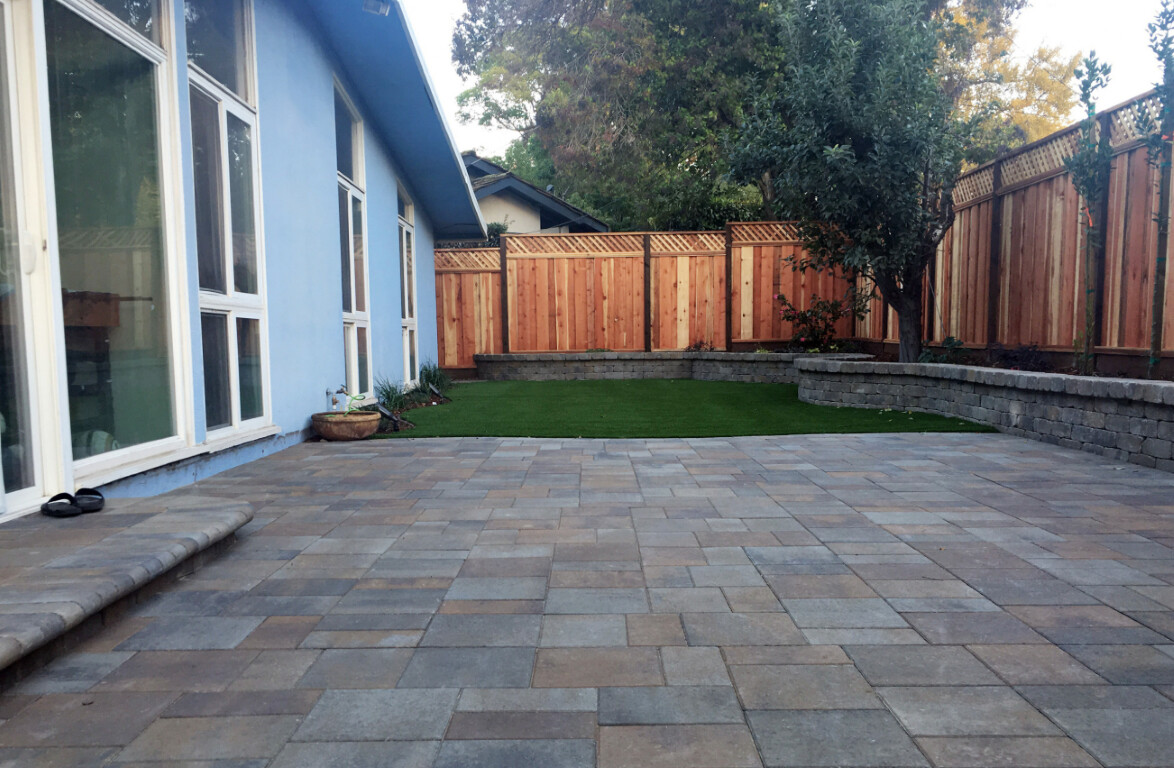
Beyond function, retaining walls add visual appeal and structure to your landscape. They create definition between different areas, provide opportunities for plantings at various heights, and can become attractive focal points rather than purely utilitarian structures. The materials and design you choose affect both the performance and appearance of the wall. Options range from natural stone and decorative block to poured concrete and timber. We help you select materials that suit your property's style, meet your functional needs, and fit within your budget.
Types of Retaining Wall Systems
Concrete Block Walls
Segmental retaining wall blocks offer excellent versatility and come in numerous styles, colors, and textures. These interlocking blocks stack without mortar, using their weight and design features to create stable walls. Modern block systems include built-in setback that angles the wall slightly into the slope for added stability. They work well for walls up to 3 or 4 feet tall without reinforcement, and can go higher when engineered with geogrid or other reinforcing methods.
The advantage of block systems is their combination of structural performance and aesthetic appeal. You can choose blocks that look like natural stone, have smooth contemporary faces, or provide rugged textured surfaces. Different cap options finish the top of the wall. Installation is relatively straightforward for shorter walls, though taller walls require engineering and proper reinforcement. These walls also allow for curves and corners more easily than poured concrete walls.
Poured Concrete Walls
Poured concrete retaining walls provide maximum strength and work well for tall walls or situations with significant soil loads. We build forms to the desired shape, install reinforcing steel, and pour concrete to create a monolithic structure. The wall can be left with a smooth finish, textured, or faced with stone or other materials for improved appearance. Concrete walls are particularly suited for retaining walls that also serve as foundations for structures like sheds or upper-level patios.
These walls require proper footing design and adequate drainage behind the wall to manage hydrostatic pressure from water in the soil. We install weep holes or drainage systems that prevent water buildup that could push the wall forward. While poured concrete walls cost more initially than some block options, they provide superior strength for challenging applications and can last 50 years or more with proper design and installation.
Natural Stone and Masonry
Natural stone walls offer timeless beauty and blend naturally with landscape surroundings. We work with locally available stone to create dry-stack walls where stones are carefully fitted without mortar, or mortared walls where stones are set in concrete for maximum strength. Stone walls complement Southwestern and rustic architectural styles common in our region. The irregular shapes and natural colors create organic-looking structures that age gracefully and require minimal maintenance.
Engineering and Installation Essentials
Retaining walls are structural elements that must be designed to withstand significant forces. Improper design or installation leads to wall failure, which means costly repairs and potential property damage. We approach every retaining wall project with attention to engineering principles.
Critical Design Elements
- Proper Foundation: Every wall needs a solid base below frost depth. We excavate and install compacted gravel footings sized appropriately for wall height and soil conditions.
- Drainage Systems: Water pressure behind walls causes failure. We install drainage pipes, gravel backfill, and weep holes to manage water and prevent buildup that pushes on the wall.
- Backfill Material: The soil behind the wall affects performance. We use free-draining gravel in the area directly behind the wall to facilitate drainage and reduce pressure.
- Reinforcement: Taller walls need geogrid reinforcement extending into the soil behind the wall, or steel reinforcement within concrete walls for added strength.
- Batter and Setback: Walls perform better when angled slightly into the slope. This batter or setback improves stability by using gravity to help hold the wall in place.
- Structural Engineering: Walls over certain heights require engineered plans from a licensed professional. We work with engineers to ensure your wall meets code and performs safely.
Building codes specify when engineering is required, typically for walls over 4 feet tall, but we recommend professional design for any wall where failure would threaten structures or safety. The modest cost of engineering prevents expensive problems and provides peace of mind that your wall is built correctly.
Retaining Wall Questions
Property owners considering retaining walls often have questions about design and installation. Here are answers to the most common concerns we hear.