Concrete Repair & Replacement
Expert concrete repair services that restore damaged surfaces and extend the life of your concrete.
When to Repair vs Replace Concrete
Not every crack or damaged section means you need to tear out and replace your entire driveway, patio, or walkway. Understanding when repair makes sense versus when replacement is necessary saves you money and extends the useful life of your concrete surfaces. The decision depends on several factors including the extent of damage, the age of the concrete, and how the surface will be used going forward.
Minor cracks, small chips, surface spalling, and cosmetic issues typically qualify as good candidates for repair. If the damage affects less than 25 percent of the surface area and the concrete underneath remains structurally sound, repair usually provides a cost-effective solution. We can fill cracks, patch damaged areas, resurface worn sections, and restore appearance without the expense and disruption of complete replacement. For homeowners looking to address problems before they worsen, timely concrete repair prevents small issues from becoming major failures.
Replacement becomes the better choice when damage is extensive, the concrete has settled significantly, multiple large cracks have developed throughout the surface, or the base beneath the concrete has failed. If your concrete is severely deteriorated with chunks breaking away, or if the surface has sunk several inches creating trip hazards or drainage problems, replacement delivers better long-term results. We also recommend replacement when you want to change the layout, increase thickness for heavier loads, or upgrade to decorative finishes. During our assessment, we give you honest recommendations about which approach makes the most sense for your specific situation and budget.
Common Concrete Problems We Fix
Cracks and Structural Issues
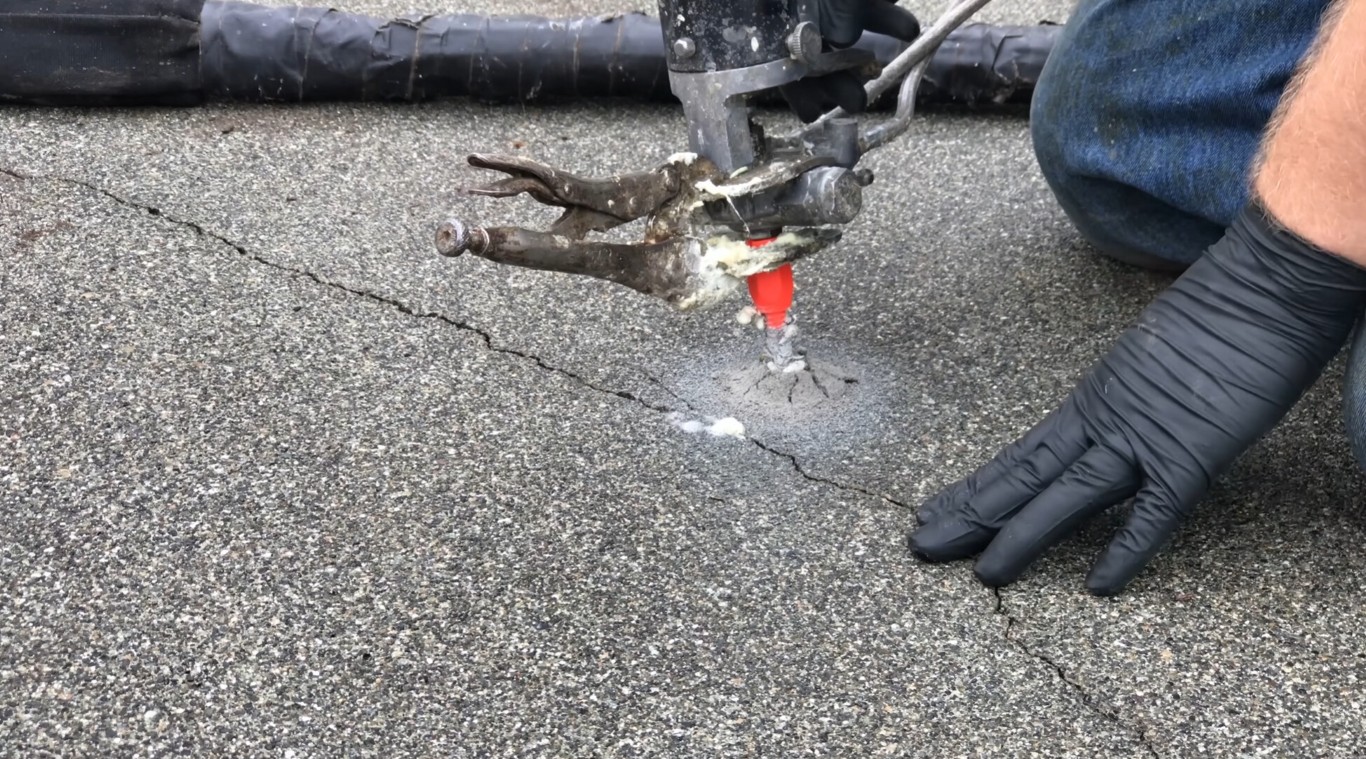
Cracks develop in concrete for various reasons. Small hairline cracks often result from normal shrinkage during curing and pose no structural concern. Wider cracks may indicate underlying problems like poor soil preparation, inadequate reinforcement, or ground movement. We identify what caused the cracking before recommending a repair method. For minor cracks, we use flexible sealants that prevent water intrusion while allowing slight movement. Larger structural cracks may require routing and sealing with specialized materials, or in some cases, reinforcement with carbon fiber straps or epoxy injection.
Settlement creates stepped cracks where one section of concrete has dropped relative to an adjacent section. This happens when the soil beneath compacts unevenly or washes away. Settlement not only looks bad but also creates trip hazards and affects drainage. For settled concrete, we often recommend leveling techniques that raise sunken sections back to their original height rather than replacing the entire area. This approach costs significantly less than removal and replacement while solving the functional problems.
Surface Damage and Deterioration
Spalling refers to the flaking or chipping of the concrete surface. This typically happens when water penetrates the surface, freezes, and breaks off the top layer. Deicing salts accelerate this process by pulling moisture into the concrete. Minor spalling can be repaired by removing loose material and applying a bonding agent followed by a repair mortar that matches the surrounding surface. Extensive spalling across large areas might require resurfacing with a concrete overlay that creates a fresh new surface over the existing base.
Pitting and scaling create rough, worn surfaces that collect dirt and look unsightly. This damage often results from poor finishing techniques during installation, using a weak concrete mix, or exposure to harsh chemicals. We can grind down rough spots, fill pits with patching compounds, and apply protective sealers that prevent further deterioration. For badly damaged surfaces, a thin overlay or micro-topping creates a smooth new surface while preserving the structural concrete underneath.
Our Repair Process and Techniques
Quality concrete repair requires more than just filling holes with fresh concrete. The repair materials must bond properly to the existing concrete and match its strength characteristics. Our systematic approach ensures repairs last and blend with the surrounding surface.
Professional Repair Methods
- Surface Preparation: We remove all loose, damaged, or deteriorated concrete and clean the area thoroughly. Proper surface prep is critical for good bonding between old and new material.
- Bonding Agents: We apply specialized bonding compounds that help new concrete or repair materials adhere to the existing surface. This prevents the repair from separating or popping out later.
- Matched Repair Materials: We select repair products with similar strength and expansion properties to the existing concrete. This prevents differential movement that causes repair failure.
- Proper Curing: Repairs need adequate curing time and moisture control to develop full strength. We protect fresh repairs from rapid drying, temperature extremes, and premature loading.
- Color Matching: When appearance matters, we tint repair materials or apply stains to blend repairs with the surrounding concrete surface.
- Sealing: After repairs cure, we apply sealers that protect the entire surface and help hide repair areas by creating uniform appearance and sheen.
We also address the underlying causes of damage whenever possible. If poor drainage contributed to cracking, we improve grading or install drainage solutions. If soil settlement caused problems, we stabilize the base before repairing the concrete. This comprehensive approach prevents recurring damage and helps your repairs last for many years.
Concrete Repair Questions
Property owners throughout Ivins frequently ask us about concrete repair options and what to expect. Here are answers to the most common concerns.