Concrete Steps & Stairs
Safe, durable concrete steps and stairs that provide reliable access and enhance your property's appearance.
The Importance of Well-Built Steps and Stairs
Steps and stairs are essential features that connect different elevations on your property. Whether leading from your driveway to your front door, connecting a patio to your yard, or providing access to a basement or upper level, these structures need to be safe, stable, and built to last. Poorly constructed steps create tripping hazards and deteriorate quickly, while professionally installed concrete steps provide decades of reliable service with minimal maintenance.
Safety is the primary concern with any stairway. Each step must have consistent rise and run measurements so your feet know what to expect as you climb or descend. Variations in step height or depth cause people to stumble because their muscle memory expects uniformity. Building codes specify these dimensions for good reason, and we follow these requirements precisely. Proper slope on landings prevents water accumulation that creates ice in winter. Adequate width allows comfortable passage and meets accessibility requirements where applicable. These details make the difference between steps that feel secure and ones that cause anxiety every time you use them.
Concrete steps outperform alternatives like wood, which rots and requires frequent refinishing, or precast units that can settle unevenly or crack at joints. Cast-in-place concrete steps form a monolithic structure that remains stable and solid. The material resists weather, handles heavy use, and provides traction when properly finished. For property owners who want steps they can count on through all seasons and years of use, concrete delivers reliability that other materials cannot match.
Design Considerations for Concrete Steps
Proper Dimensions and Code Compliance
Building codes specify maximum and minimum dimensions for step risers and treads. Residential steps typically have risers between 4 and 8 inches tall, with 7 to 7.5 inches being most comfortable for most people. Treads should be at least 10 inches deep to provide adequate foot placement. These measurements ensure steps feel natural to use and reduce fall risk. We calculate the total rise needed and divide it into equal steps that meet code and feel comfortable.
Width matters for both function and code compliance. Steps leading to main entrances generally need to be at least 36 inches wide, though wider is often better for moving furniture or accommodating multiple people. We discuss your specific needs and ensure the steps are sized appropriately. Handrails become required when you have more than a certain number of steps, and we coordinate rail installation when needed or prepare the concrete for future rail mounting.
Landings and Transitions
Long flights of stairs need intermediate landings for safety and comfort. Building codes require landings at specific intervals, typically after 12 feet of vertical rise. Landings provide resting spots and make stairs less intimidating. The landing at the top or bottom of stairs needs adequate depth so you have space to open doors or maneuver comfortably. We size these areas according to code requirements and your functional needs.
How steps connect to adjacent surfaces matters too. The transition from a walkway to steps should be smooth and obvious. We often create a slight color change, texture difference, or visual marker that signals the elevation change ahead. This prevents the common accident of stepping off a landing thinking the surface continues level. Good design makes these transitions intuitive and safe.
Construction Process and Finishing Options
Building concrete steps requires careful planning and execution. Unlike simple slabs, steps involve multiple elevations, precise measurements, and complex forming that must be done correctly to create safe, lasting results.
Step Construction Process
- Foundation Work: Steps need a solid footing below frost depth to prevent movement. We excavate and pour footings that support the structure without settling or heaving.
- Forming: We build custom forms that create each step at the exact height and depth needed. Forms must be rigid enough to hold concrete shape and perfectly level side to side.
- Reinforcement: Steel rebar runs through the structure to tie everything together and prevent cracks. The reinforcement pattern must account for the complex shape of stairs.
- Concrete Placement: We pour and consolidate concrete carefully to eliminate air pockets around the forms. Each step level gets properly filled and tamped before moving to the next.
- Finishing: Step surfaces receive finishes appropriate for traction. Tread surfaces need texture for safety while remaining comfortable. Risers get smooth finishes.
- Curing: Proper curing prevents cracking and ensures strength. We protect fresh concrete and maintain moisture during the critical first week.
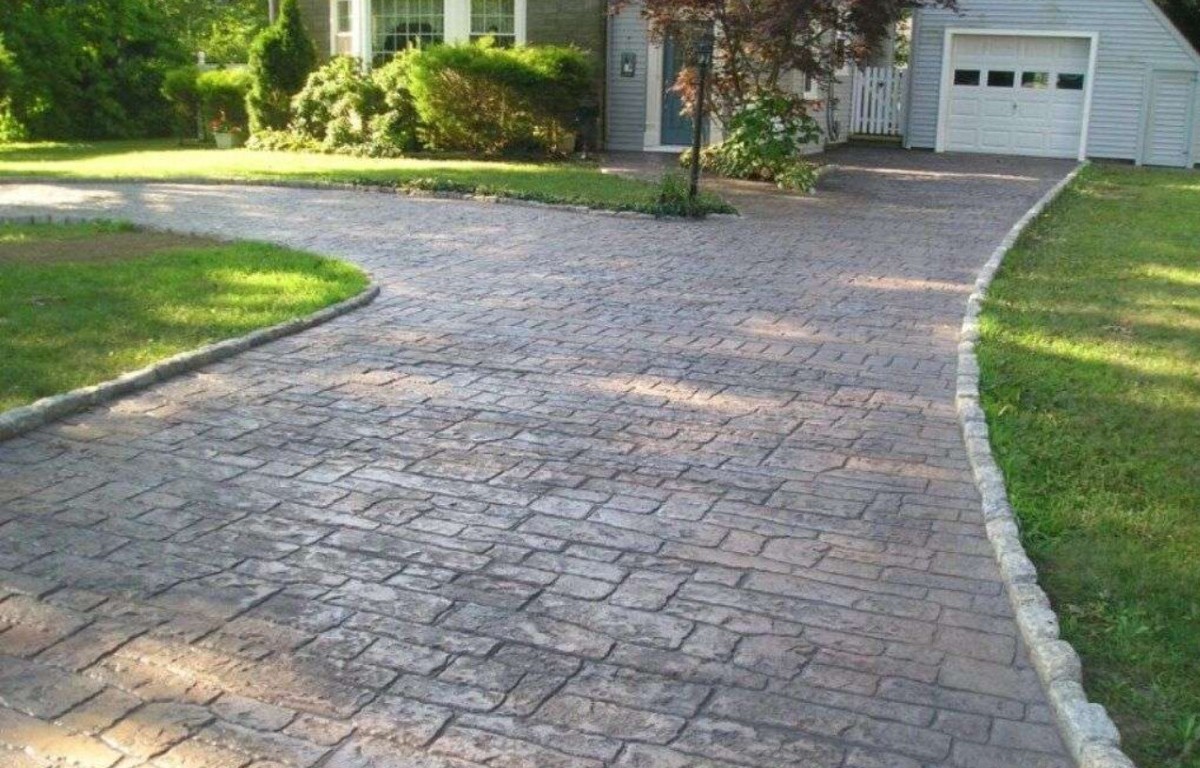
Decorative options for concrete steps include stamped patterns, colored concrete, exposed aggregate treads, and built-in lighting. We can match steps to existing walkways and flatwork or create contrasting designs that make steps a focal point of your property.
Common Questions About Concrete Steps
Homeowners planning step projects in Ivins often have questions about code requirements, costs, and options. Here are answers to help you understand what quality step installation involves.